
≥99%
42464-96-0
159.19 g/mol
5-Amino-1MQ
A small molecule NNMT inhibitor studied for cellular metabolism and NAD+ pathway regulation.
1 vial × $100 each
Add 3+ to unlock
volume pricing
Pay by Zelle or PayPal · no processing fees · ships once payment clears
Free US shipping on orders over $200, with tracking provided.
Third-party tested
Supplied to qualified labs and institutional buyers. Institutional use & buyer eligibility
Characteristics
| Property | Value |
|---|---|
| Molecular Formula | C₁₀H₁₁NO |
| CAS Number | 42464-96-0 |
| Molar Mass | 159.19 g/mol |
| Synonyms | 5-Amino-1-methylquinolin-2(1H)-one, 5-Amino-1-methyl-2-quinolinone |
| Physical Form | Crystalline powder |
| Solubility | Soluble in DMSO and methanol; sparingly soluble in water |
| Organoleptic Profile | Off-white to pale yellow crystalline powder |
| Composition | Small molecule NNMT inhibitor (not a peptide) |
| Purity | ≥98% by HPLC |
| Storage Conditions | Store at -20°C; protect from light and moisture |
How is 5-Amino-1MQ Used in Research?
5-Amino-1MQ (5-amino-1-methylquinolin-2(1H)-one) is a small molecule inhibitor of nicotinamide N-methyltransferase (NNMT), an enzyme that methylates nicotinamide using S-adenosyl-L-methionine (SAM) as the methyl donor. NNMT is highly expressed in white adipose tissue, and its overexpression has been associated in preclinical models with adiposity-parameter shifts and metabolic-parameter dysregulation markers. By inhibiting NNMT, 5-Amino-1MQ is proposed to increase the intracellular availability of NAD+ (nicotinamide adenine dinucleotide) and SAM, two critical cofactors involved in cellular energy metabolism and epigenetic regulation.
Preclinical research published by Neelakantan and colleagues characterized 5-Amino-1MQ in diet-induced rodent research models, reporting shifts in body-mass and white-adipose-tissue parameter readouts without effects on food-intake markers. The mechanism was attributed to increased cellular energy expenditure through enhanced NAD+ availability, which activates sirtuin-dependent metabolic pathways. Additionally, NNMT inhibition was shown to reduce lipogenesis in adipocyte cell lines and to alter the expression of genes involved in lipid metabolism and adipocyte differentiation.
The relationship between NNMT and metabolic regulation extends beyond adipose tissue. Research has identified NNMT as a regulator of the methionine cycle and one-carbon metabolism, with implications for epigenetic regulation through SAM-dependent methylation reactions. Studies have also explored NNMT's role in cancer metabolism, where the enzyme is overexpressed in several tumor types and may contribute to metabolic reprogramming.
This product is supplied in a lyophilized form and requires reconstitution prior to laboratory handling. For research and laboratory use only. Not for human or veterinary consumption.
Areas of Study
NNMT Inhibition
Selective inhibitor of nicotinamide N-methyltransferase, an enzyme linking NAD+ metabolism, methylation pathways, and adipose tissue function.
NAD+ Regulation
Increases intracellular NAD+ availability by preventing NNMT-mediated nicotinamide methylation, supporting sirtuin-dependent metabolic pathways.
Adipocyte Biology
Reduces lipogenesis and alters adipocyte differentiation gene expression; preclinical models show reduced adipose tissue mass without appetite suppression.
Energy Metabolism
Promotes increased cellular energy expenditure through NAD+-dependent mechanisms and modulation of one-carbon metabolism.
References
- [1]Neelakantan H, Brightwell CR, Graber TG, et al. (2019). Small molecule nicotinamide N-methyltransferase inhibitor activates senescent muscle stem cells and improves regenerative capacity of aged skeletal muscle. Biochemical Pharmacology, 163, 481-492.
- [2]Neelakantan H, Wang HY, Vance V, et al. (2017). Selective and membrane-permeable small molecule inhibitors of nicotinamide N-methyltransferase reverse high fat diet-induced obesity in mice. Biochemical Pharmacology, 147, 141-152.
- [3]Kraus D, Yang Q, Kong D, et al. (2014). Nicotinamide N-methyltransferase knockdown protects against diet-induced obesity. Nature, 508(7495), 258-262.
- [4]Pissios P. (2017). Nicotinamide N-methyltransferase: more than a vitamin B3 clearance enzyme. Trends in Endocrinology & Metabolism, 28(5), 340-353.
Disclaimer: The information provided is for research reference only and does not constitute medical advice. Products are sold strictly for in-vitro research use.
Certificate of Analysis (COA)
Third-Party Verified Quality
Every batch of 5-Amino-1MQis independently tested by an A2LA-accredited (ISO 17025:2017) third-party laboratory using HPLC-UV/VIS for purity and measured quantity. Each COA carries the lab's signed report and a batch-specific lot number. We publish these results publicly so you can verify exactly what you're getting.
View Lab ResultsRelated Products
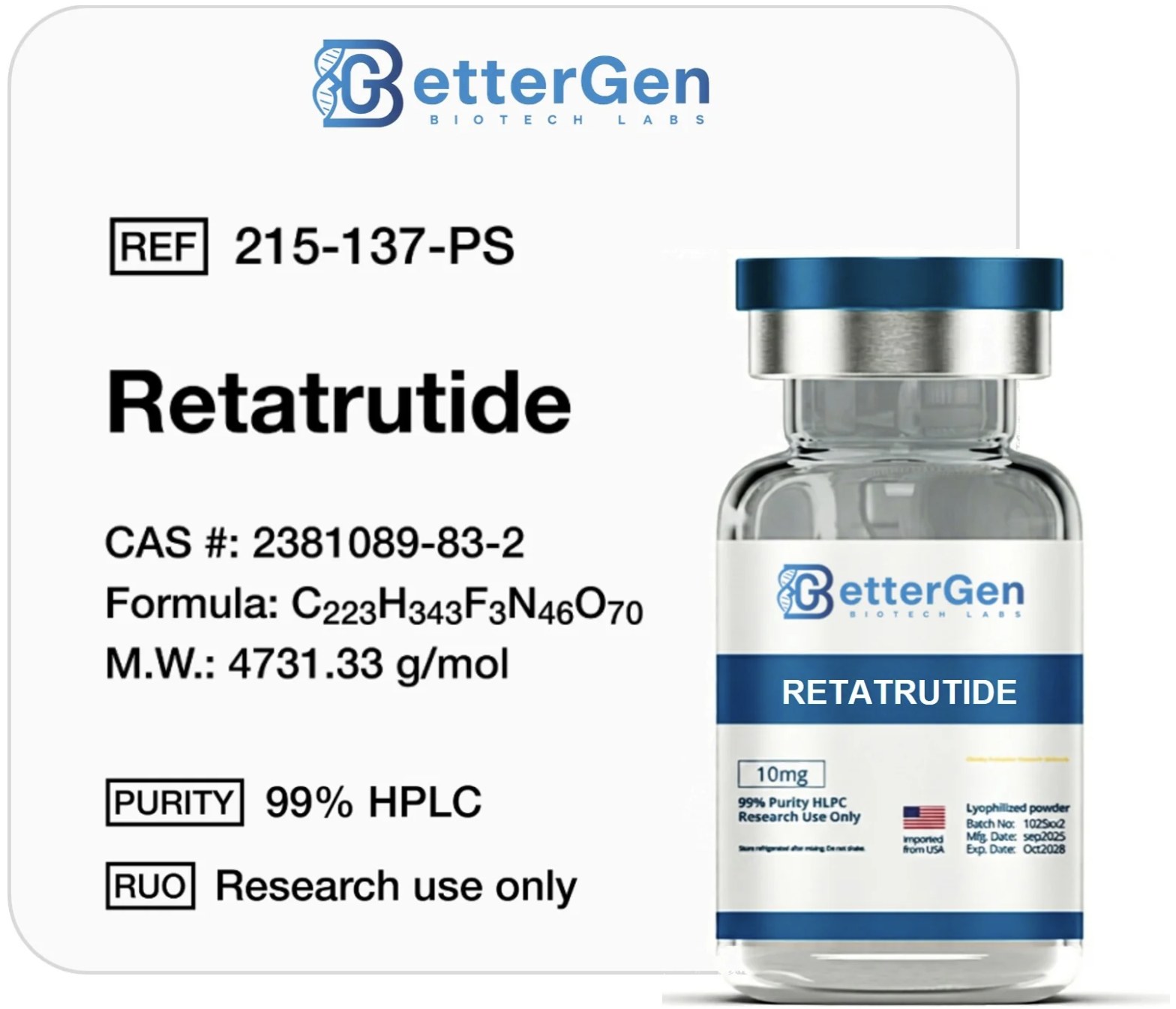
GLP3R
10mg – 60mg
Triple-agonist research peptide targeting GIP, GLP-1, and glucagon receptors in preclinical metabolic studies.
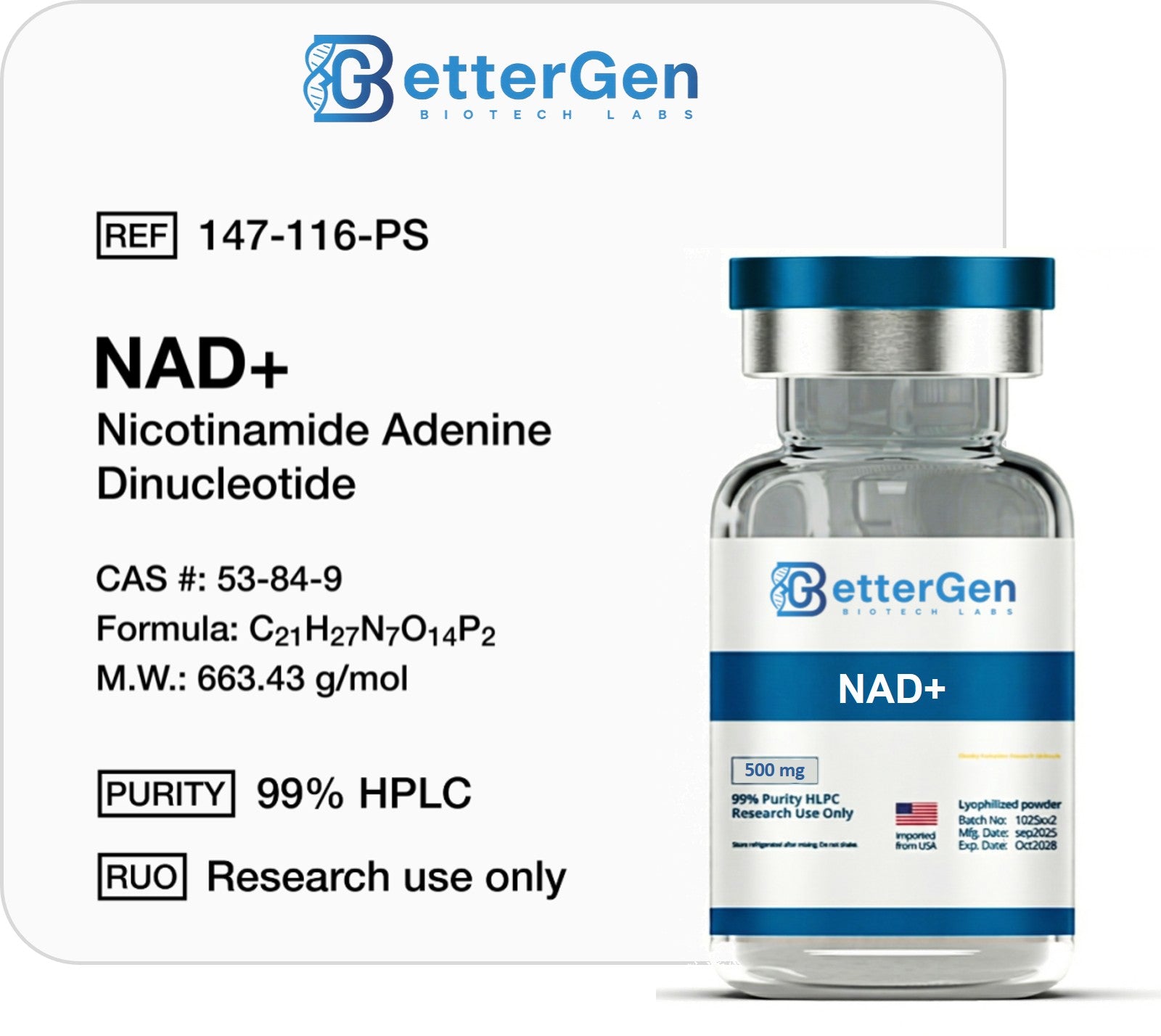
NAD+ 500mg
500mg
NAD+ (nicotinamide adenine dinucleotide) is a vital coenzyme in all living cells, essential for metabolic processes and cellular function. It acts as a mediator of redox reactions, alternating between its oxidized (NAD+) and reduced (NADH)...
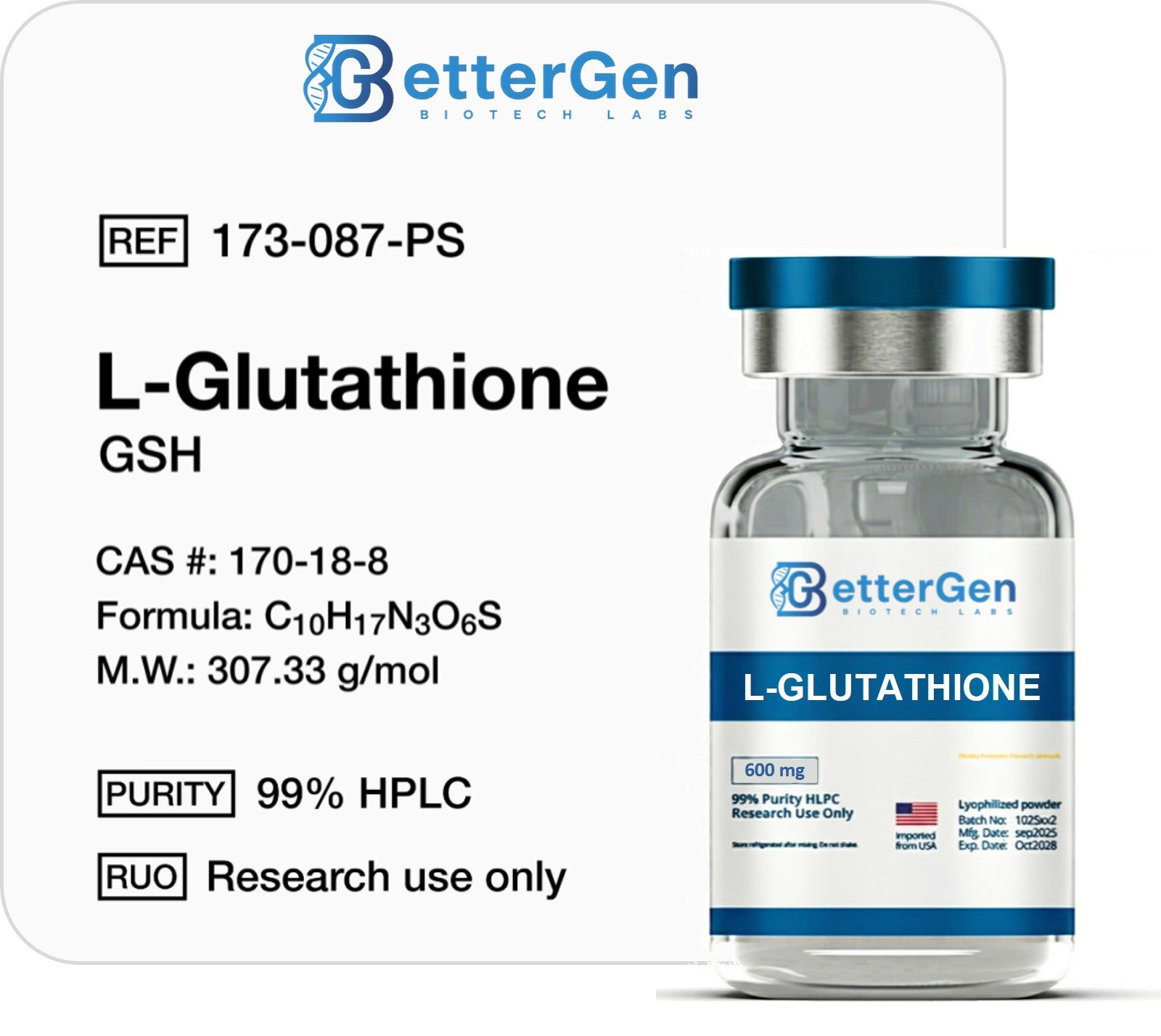
Glutathione
600mg
Glutathione is a potent anti-oxidant and regulator of a number of biochemical processes. It is abundant in human tissues, but subject to decline with aging. Research shows that glutathione can help to reduce neurodegenerative disease,...
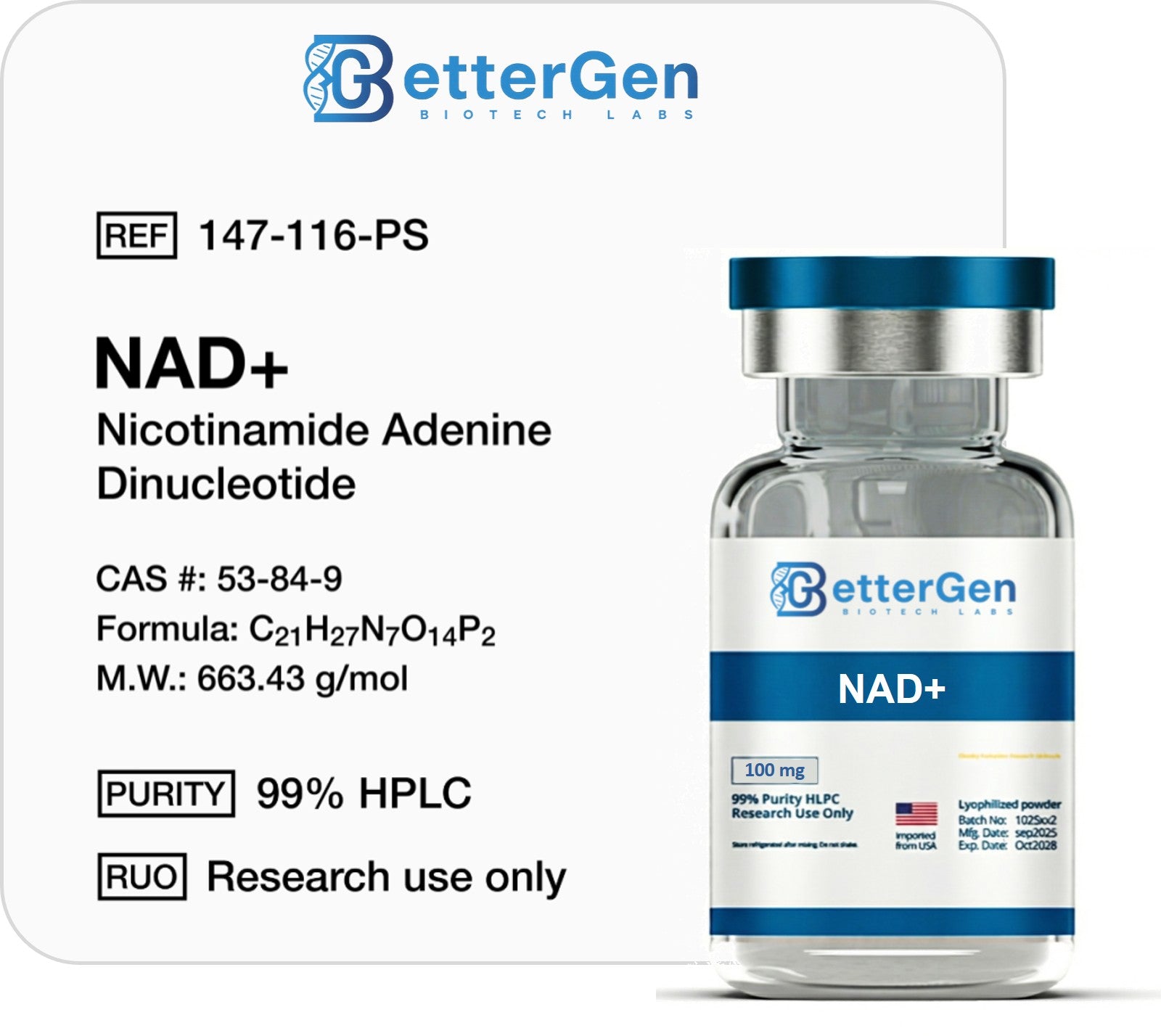
NAD+ 100mg
100mg
NAD+ (nicotinamide adenine dinucleotide) is a vital coenzyme in all living cells, essential for metabolic processes and cellular function. It acts as a mediator of redox reactions, alternating between its oxidized (NAD+) and reduced (NADH)...
Frequently Bought Together
5-Amino-1MQ
5mg
$100
GLP3R
10mg
$180
NAD+ 500mg
500mg
$335
Bundle total
$615