
≥98%
5358.00 g/mol
FOXO4-DRI
A D-retro-inverso peptide of FOXO4 studied for senescent cell modulation and aging research.
1 vial × $300 each
Add 3+ to unlock
volume pricing
Pay by Zelle or PayPal · no processing fees · ships once payment clears
Free US shipping on orders over $200, with tracking provided.
Third-party tested
Supplied to qualified labs and institutional buyers. Institutional use & buyer eligibility
Characteristics
| Property | Value |
|---|---|
| Molecular Formula | C₂₂₈H₃₈₈N₈₆O₆₄ |
| Molar Mass | 5358.00 g/mol |
| Amino Acid Sequence | D-retro-inverso peptide derived from FOXO4-p53 interaction domain |
| Synonyms | FOXO4-DRI, FOXO4 D-Retro-Inverso peptide, ES2 |
| Physical Form | Lyophilized powder |
| Solubility | Soluble in DMSO; partially soluble in water at low concentrations |
| Organoleptic Profile | White to off-white lyophilized powder; odorless |
| Composition | D-amino acid retro-inverso peptide targeting FOXO4-p53 interaction |
| Purity | ≥95% by HPLC |
| Storage Conditions | Store lyophilized at -20°C; reconstituted solution stable at 2-8°C for up to 5 days |
How is FOXO4-DRI Used in Research?
FOXO4-DRI is a D-retro-inverso peptide designed to selectively induce apoptosis in senescent cells by disrupting the interaction between the FOXO4 transcription factor and the p53 tumor suppressor protein. Developed by Baar and colleagues at Erasmus University Medical Center, the peptide was reported in a 2017 Cell publication as a targeted senolytic agent capable of eliminating senescent cells while sparing healthy, non-senescent cells. The D-retro-inverso design uses D-amino acids in a reversed sequence to maintain side-chain topology while conferring resistance to proteolytic degradation.
In senescent cells, FOXO4 binds to and sequesters p53 in the nucleus, preventing p53 from executing its apoptotic program. This FOXO4-p53 interaction is critical for the survival of senescent cells but is not required in healthy cells. FOXO4-DRI competitively disrupts this interaction by binding to p53, thereby releasing it to trigger apoptosis specifically in senescent cells. This mechanism provides selectivity that distinguishes FOXO4-DRI from non-selective cytotoxic agents.
Preclinical studies in naturally aged and chemotherapy-treated mice demonstrated that FOXO4-DRI treatment reduced markers of cellular senescence, restored fitness and fur density, and improved renal function. The study showed that targeted clearance of senescent cells could counteract multiple aspects of age-related deterioration. This work has contributed significantly to the growing field of senolytic research, which aims to develop interventions that selectively eliminate senescent cells to ameliorate age-related pathology.
This product is supplied in a lyophilized form and requires reconstitution prior to laboratory handling. For research and laboratory use only. Not for human or veterinary consumption.
Areas of Study
Cellular Senescence
Designed to selectively target and eliminate senescent cells by disrupting the FOXO4-p53 survival mechanism unique to the senescent state.
Aging Research
Preclinical studies in aged mice demonstrated restoration of fitness, fur density, and organ function following senescent cell clearance.
p53 Pathway
Mechanism involves competitive disruption of FOXO4-p53 nuclear interaction, releasing p53 to execute apoptosis selectively in senescent cells.
Senolytic Research
Represents a targeted peptide-based approach to senolysis, distinct from small-molecule senolytics like dasatinib and quercetin.
D-Retro-Inverso Peptide Design
Utilizes D-amino acids in reversed sequence to maintain biological activity while resisting proteolytic degradation in vivo.
References
- [1]Baar MP, Brandt RMC, Putavet DA, et al. (2017). Targeted apoptosis of senescent cells restores tissue homeostasis in response to chemotoxicity and aging. Cell, 169(1), 132-147.
- [2]de Keizer PLJ. (2017). The fountain of youth by targeting senescent cells? Trends in Molecular Medicine, 23(1), 6-17.
- [3]Baker DJ, Childs BG, Durik M, et al. (2016). Naturally occurring p16Ink4a-positive cells shorten healthy lifespan. Nature, 530(7589), 184-189.
- [4]Zhu Y, Tchkonia T, Pirtskhalava T, et al. (2015). The Achilles' heel of senescent cells: from transcriptome to senolytic drugs. Aging Cell, 14(4), 644-658.
Disclaimer: The information provided is for research reference only and does not constitute medical advice. Products are sold strictly for in-vitro research use.
Certificate of Analysis (COA)
Third-Party Verified Quality
Every batch of FOXO4-DRIis independently tested by an A2LA-accredited (ISO 17025:2017) third-party laboratory using HPLC-UV/VIS for purity and measured quantity. Each COA carries the lab's signed report and a batch-specific lot number. We publish these results publicly so you can verify exactly what you're getting.
View Lab ResultsRelated Products
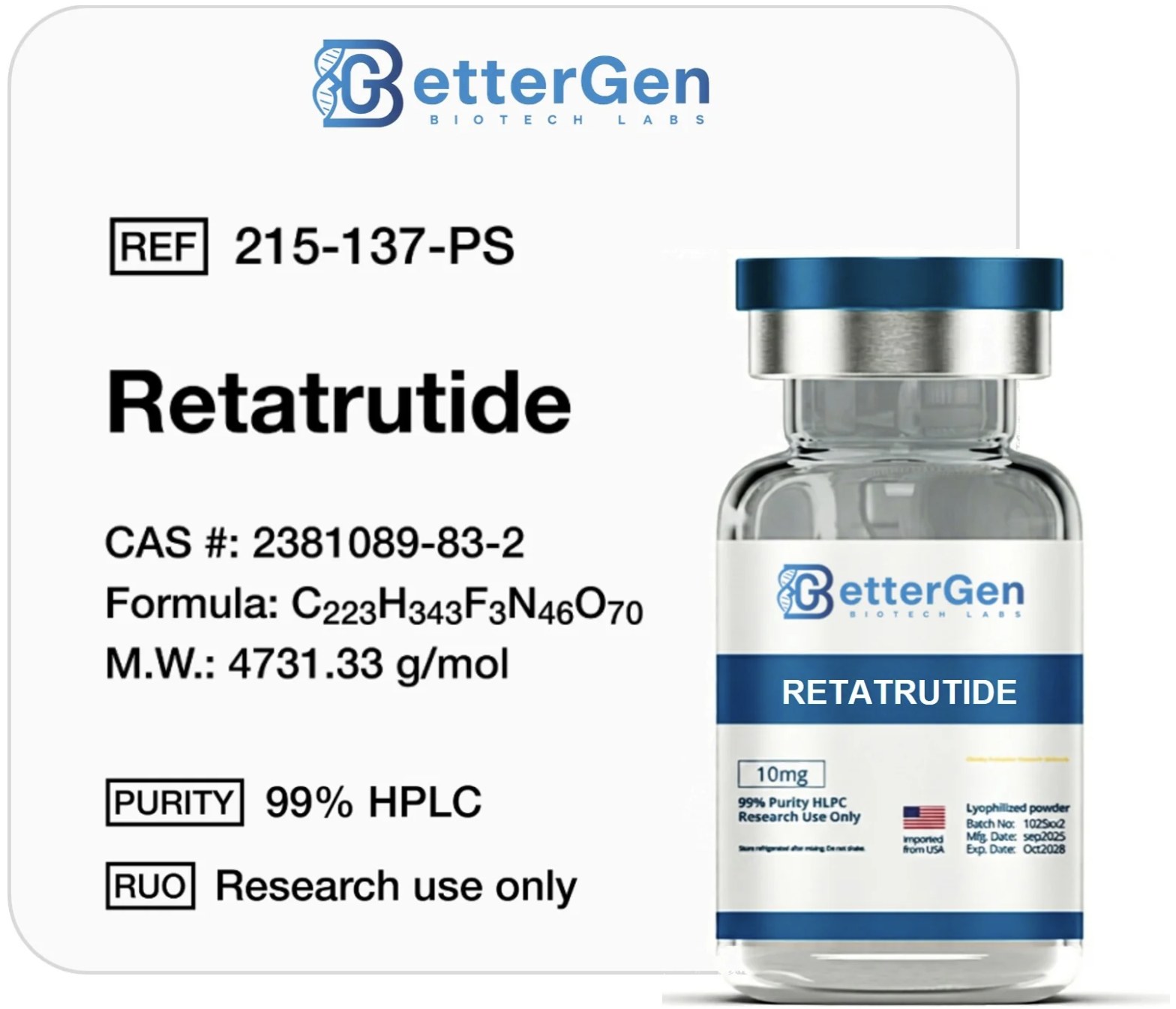
GLP3R
10mg – 60mg
Triple-agonist research peptide targeting GIP, GLP-1, and glucagon receptors in preclinical metabolic studies.
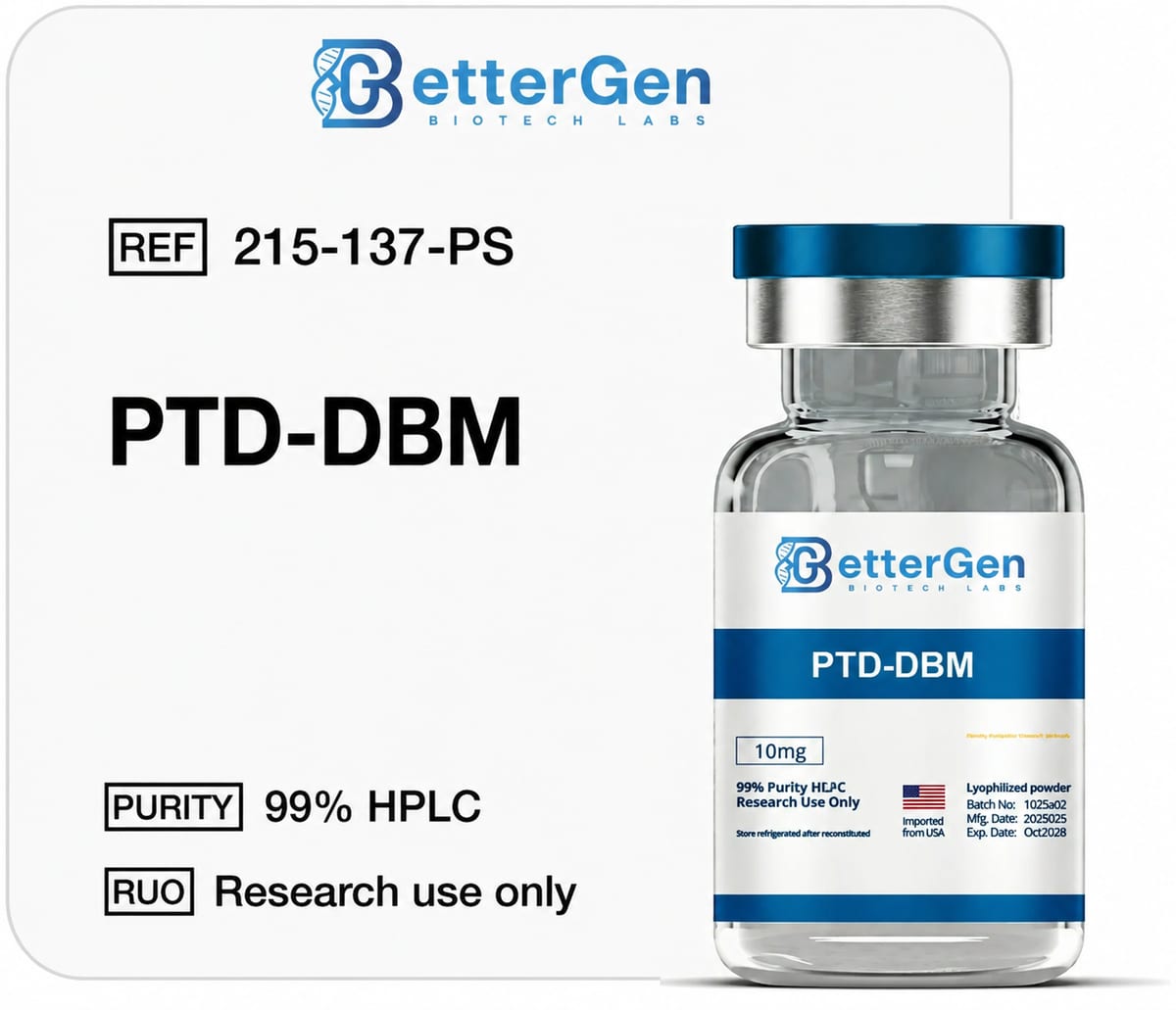
PTD-DBM
10mg
A cell-penetrating peptide studied for Wnt/β-catenin pathway modulation and hair follicle research.
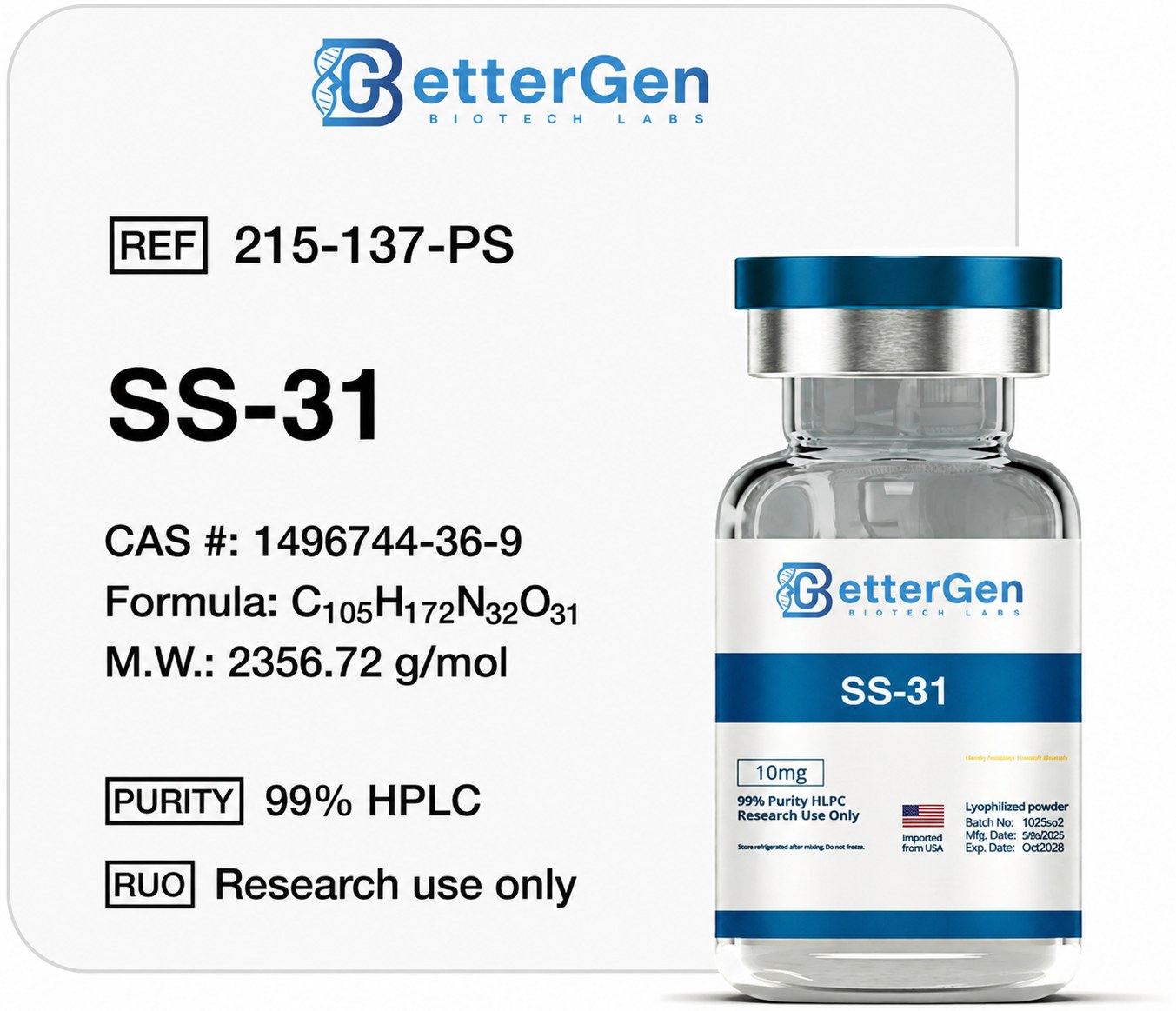
SS-31 (Elamipretide)
10mg – 50mg
A mitochondria-targeted peptide studied in preclinical cell-culture models of cellular energy regulation and mitochondrial-dysfunction research models.
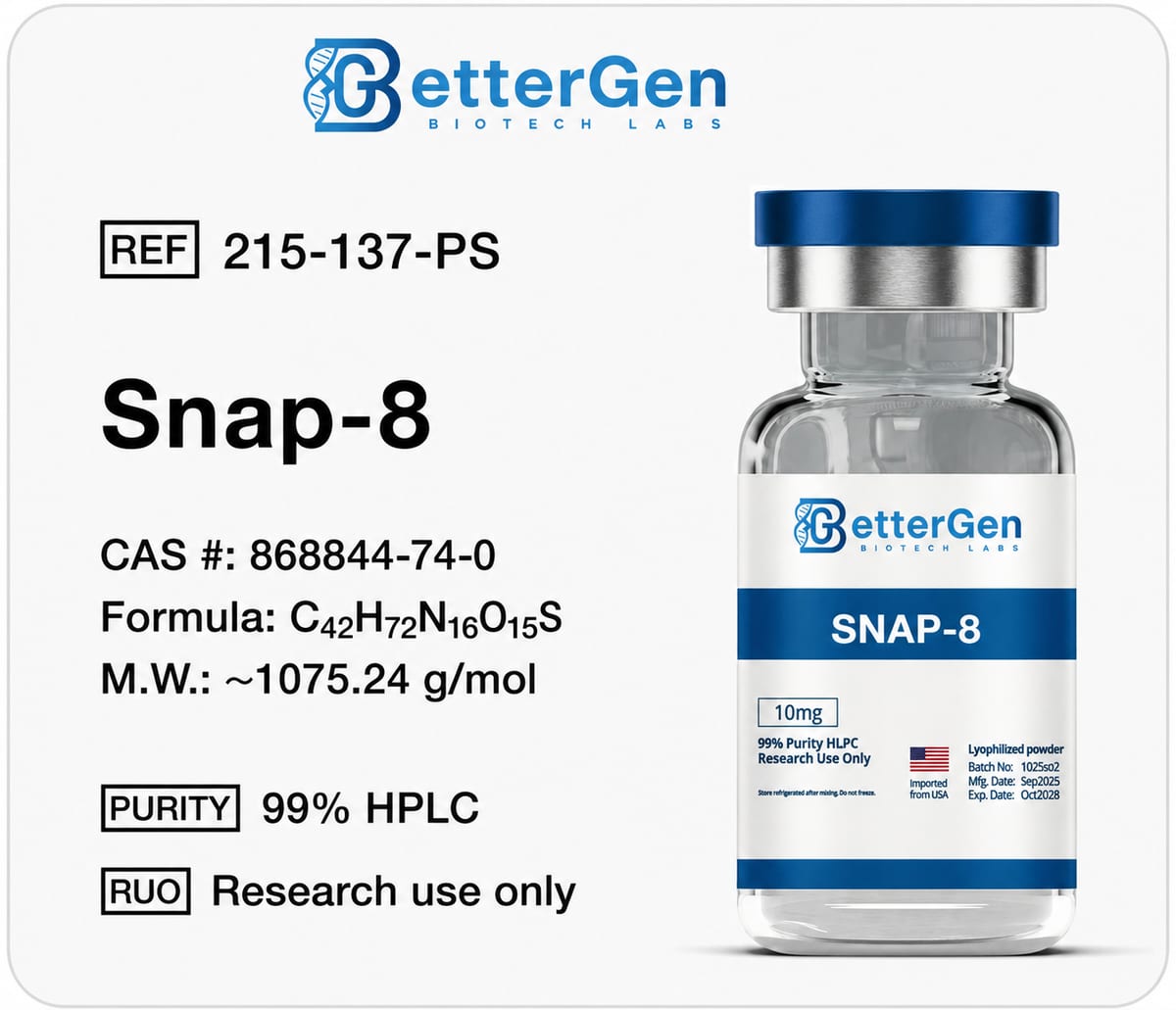
Snap-8
10mg
An octapeptide derivative of Argireline (Snap-8 / Acetyl Octapeptide-3) supplied as a lyophilized reference standard for in-vitro SNARE-complex and skin-research workflows.
Frequently Bought Together
FOXO4-DRI
10mg
$300
GLP3R
10mg
$180
PTD-DBM
10mg
$180
Bundle total
$660