
≥98%
1609454-11-6
3082.62 g/mol
PTD-DBM
A cell-penetrating peptide studied for Wnt/β-catenin pathway modulation and hair follicle research.
1 vial × $180 each
Add 3+ to unlock
volume pricing
Pay by Zelle or PayPal · no processing fees · ships once payment clears
Free US shipping on orders over $200, with tracking provided.
Third-party tested
Supplied to qualified labs and institutional buyers. Institutional use & buyer eligibility
Characteristics
| Property | Value |
|---|---|
| Molecular Formula | C₁₂₄H₂₂₅N₆₁O₂₈S₂ |
| CAS Number | 1609454-11-6 |
| Molar Mass | 3082.62 g/mol |
| Amino Acid Sequence | Cell-penetrating peptide conjugated to Dishevelled-binding motif |
| Synonyms | PTD-DBM, Protein Transduction Domain-Dishevelled Binding Motif peptide |
| Physical Form | Lyophilized powder |
| Solubility | Soluble in water and DMSO |
| Organoleptic Profile | White to off-white lyophilized powder; odorless |
| Purity | ≥95% by HPLC |
| Storage Conditions | Store lyophilized at -20°C; reconstituted solution stable at 2-8°C for up to 7 days |
How is PTD-DBM Used in Research?
PTD-DBM is a cell-penetrating peptide construct designed to activate the Wnt/beta-catenin signaling pathway by disrupting the interaction between CXXC5 and Dishevelled (Dvl) proteins. The peptide consists of a protein transduction domain (PTD) fused to a Dishevelled-binding motif (DBM) derived from the CXXC5 protein. CXXC5 normally functions as a negative feedback regulator of the Wnt pathway by binding to Dvl and preventing downstream beta-catenin signaling. PTD-DBM competitively inhibits this interaction, thereby releasing the brake on Wnt signaling in preclinical systems.
Research published by Kim and colleagues at Yonsei University demonstrated PTD-DBM activity in hair-follicle neogenesis research models in mice. Topical application of PTD-DBM in research models activated Wnt/beta-catenin signaling in hair-follicle dermal papilla cells, leading to new hair-follicle formation markers and increased hair-growth readouts. The peptide was shown to stimulate the proliferation and migration of dermal papilla cells in cell-culture models and to promote the transition of hair follicles from the telogen (resting) phase to the anagen (growth) phase in research models.
The Wnt/beta-catenin pathway plays critical roles in hair-follicle development, stem-cell maintenance, and in-vitro wound-assay research. PTD-DBM's mechanism of activating this pathway through disruption of the CXXC5-Dvl protein-protein interaction represents a targeted approach to pathway modulation. Additional research has explored the peptide's activity in bone-formation and in-vitro wound-assay research models where Wnt signaling is involved in tissue-regeneration research models.
This product is supplied in a lyophilized form and requires reconstitution prior to laboratory handling. For research and laboratory use only. Not for human or veterinary consumption.
Areas of Study
Wnt/Beta-Catenin Pathway
Activates canonical Wnt signaling by competitively disrupting the CXXC5-Dishevelled protein interaction that normally suppresses beta-catenin signaling.
Hair Follicle Neogenesis
Preclinical studies demonstrate promotion of new hair follicle formation and acceleration of anagen phase entry in mouse models.
Dermal Papilla Cell Biology
Stimulates proliferation and migration of dermal papilla cells, key inductive mesenchymal cells in hair follicle development.
Cell Penetration Technology
Utilizes protein transduction domain technology to deliver the functional DBM peptide across cell membranes without traditional transfection methods.
References
- [1]Kim HY, Yoon JY, Yun JH, et al. (2017). CXXC5 is a negative-feedback regulator of the Wnt/beta-catenin pathway involved in osteoblast differentiation. Cell Death & Differentiation, 22(6), 912-920.
- [2]Lee SH, Seo SH, Lee DH, et al. (2017). Targeting the Wnt/beta-catenin pathway with PTD-DBM promotes hair growth. Scientific Reports, 7(1), 12421.
- [3]Andersson ER, Sandberg R, Lendahl U. (2011). Notch signaling: simplicity in design, versatility in function. Development, 138(17), 3593-3612.
- [4]Choi S, Yoon JY, Kim HY, et al. (2017). A peptide that disrupts CXXC5-Dvl interaction activates Wnt signaling and promotes bone formation. Journal of Bone and Mineral Research, 32(Suppl 1), S235.
Disclaimer: The information provided is for research reference only and does not constitute medical advice. Products are sold strictly for in-vitro research use.
Certificate of Analysis (COA)
Third-Party Verified Quality
Every batch of PTD-DBMis independently tested by an A2LA-accredited (ISO 17025:2017) third-party laboratory using HPLC-UV/VIS for purity and measured quantity. Each COA carries the lab's signed report and a batch-specific lot number. We publish these results publicly so you can verify exactly what you're getting.
View Lab ResultsRelated Products

GLP3R
10mg – 60mg
Triple-agonist research peptide targeting GIP, GLP-1, and glucagon receptors in preclinical metabolic studies.
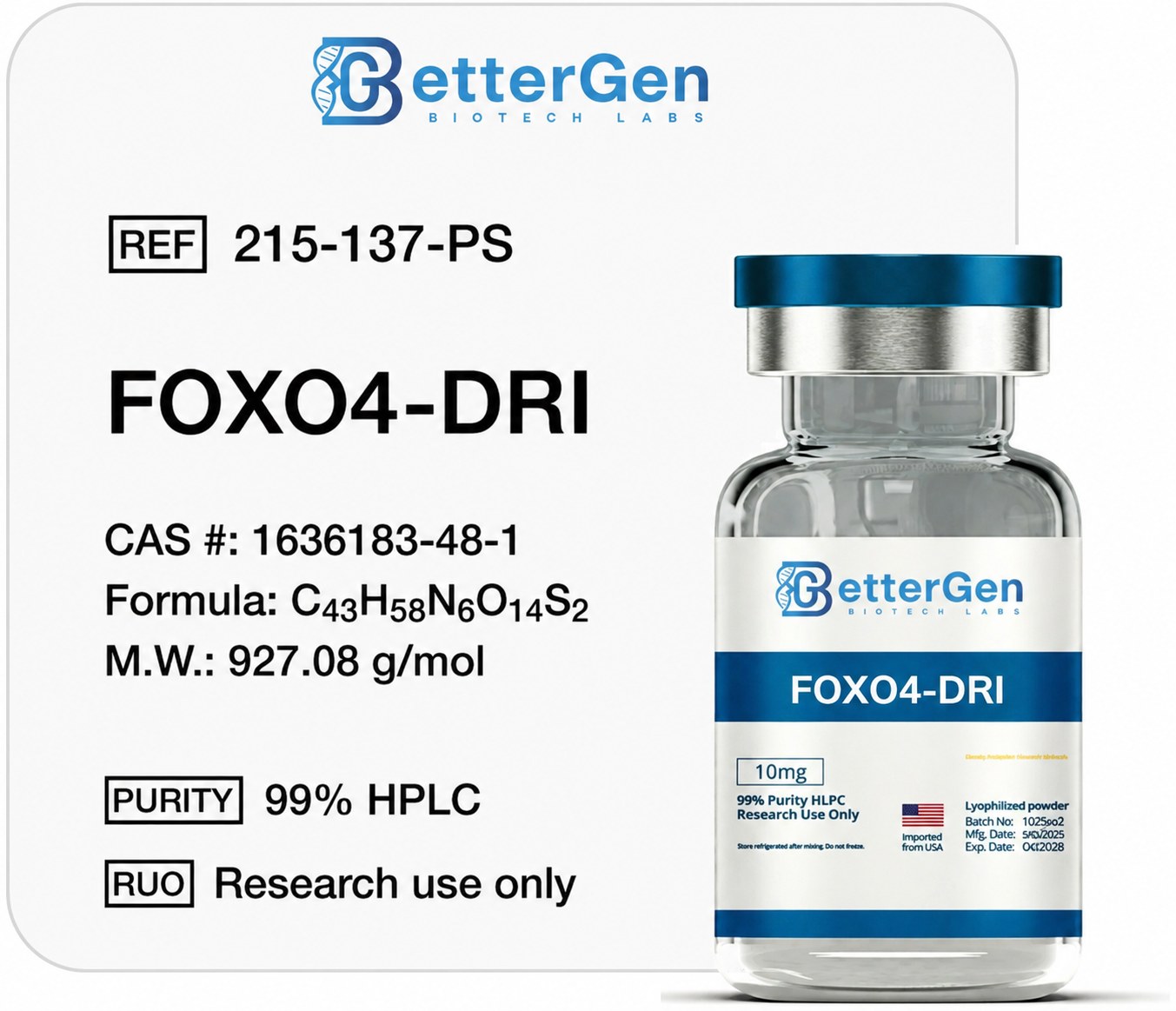
FOXO4-DRI
10mg
A D-retro-inverso peptide of FOXO4 studied for senescent cell modulation and aging research.
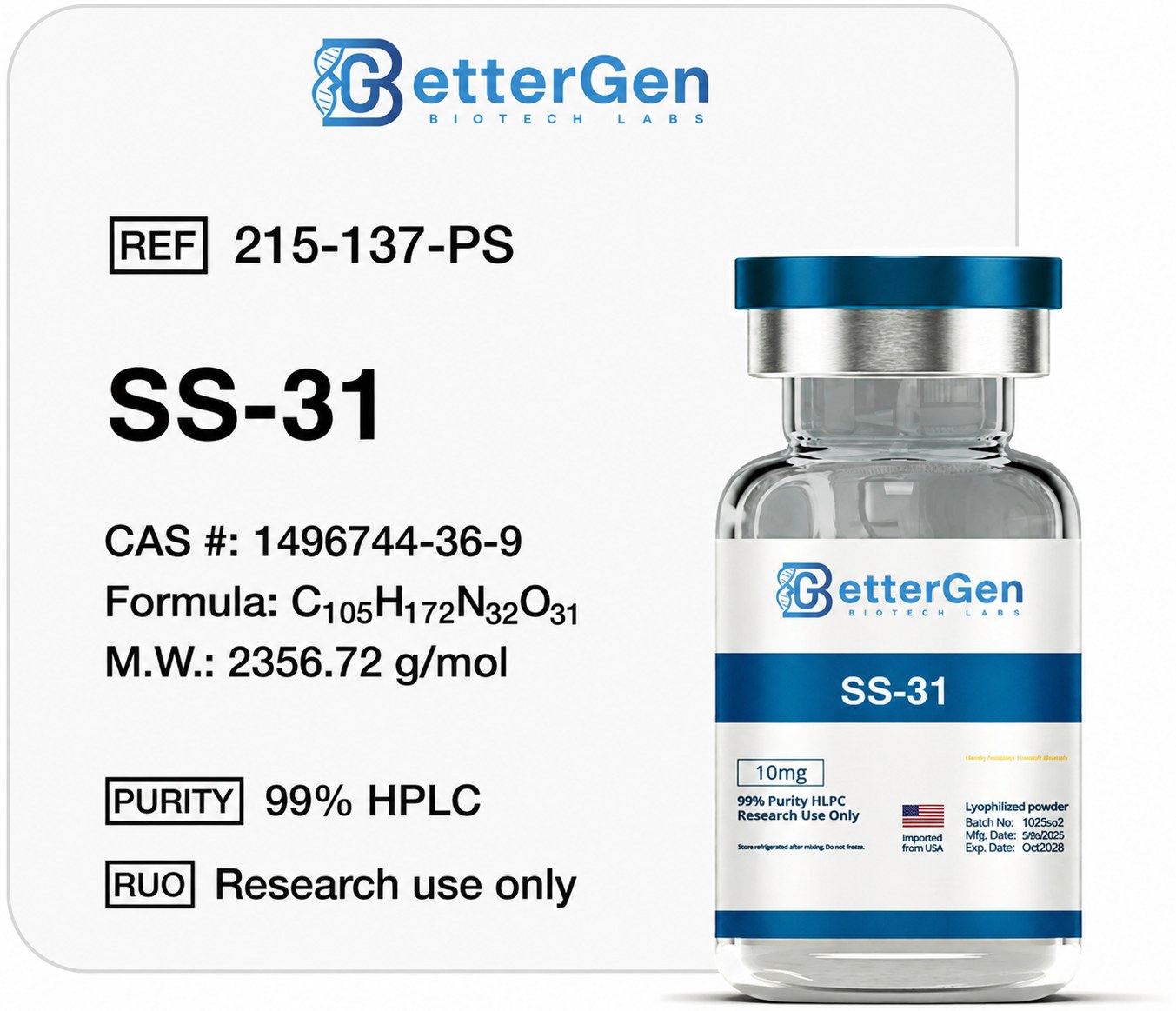
SS-31 (Elamipretide)
10mg – 50mg
A mitochondria-targeted peptide studied in preclinical cell-culture models of cellular energy regulation and mitochondrial-dysfunction research models.

Snap-8
10mg
An octapeptide derivative of Argireline (Snap-8 / Acetyl Octapeptide-3) supplied as a lyophilized reference standard for in-vitro SNARE-complex and skin-research workflows.
Frequently Bought Together
PTD-DBM
10mg
$180
GLP3R
10mg
$180
FOXO4-DRI
10mg
$300
Bundle total
$660